
.svg)
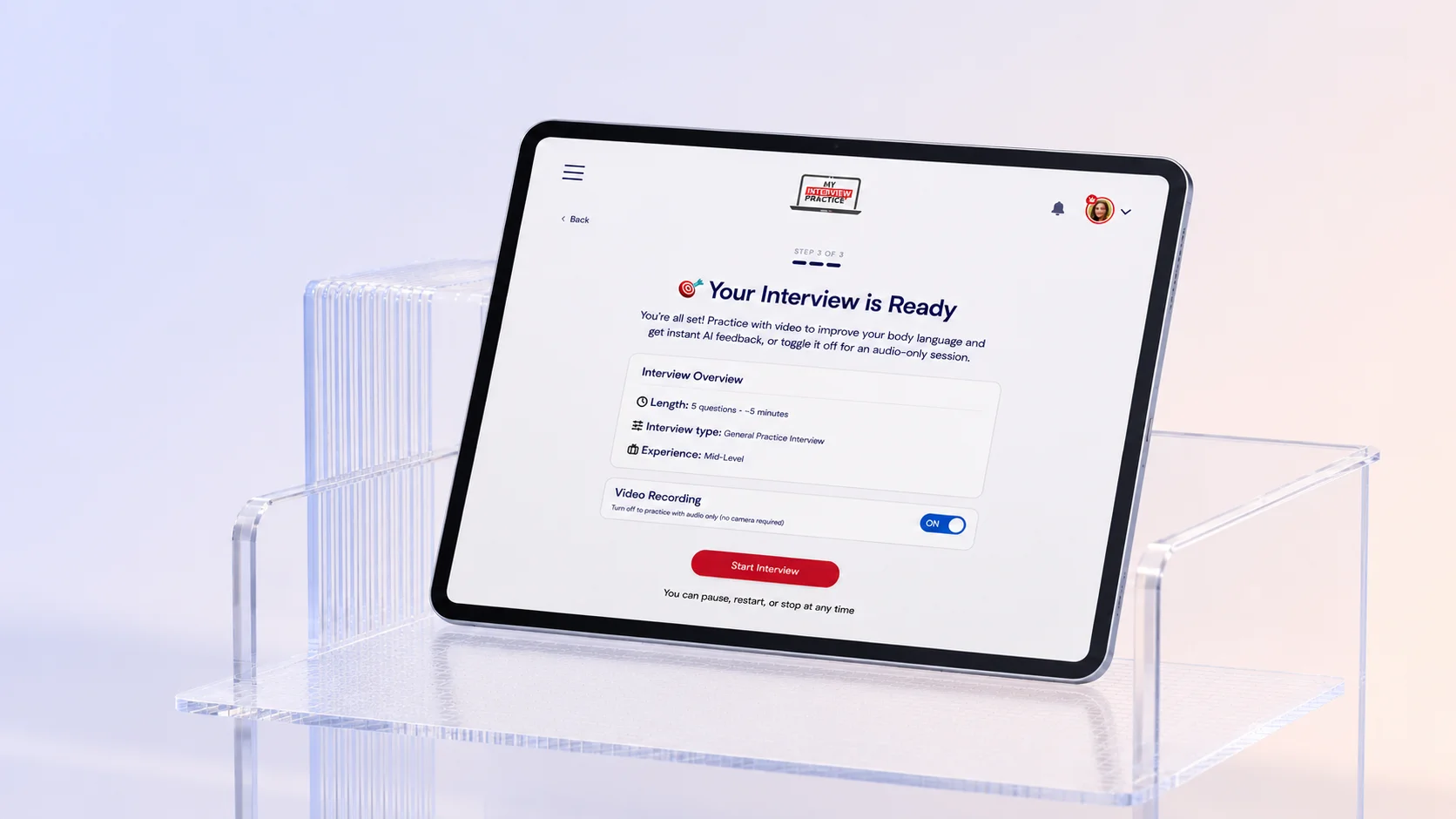
Most SaaS products don’t lose users because the product lacks value — they lose users before users ever experience it. While working on onboarding for My Interview Practice, one insight stood out: many users signed up, but too many never reached their first interview. Users who did complete their first interview were far more likely to continue using the product.
That revealed the real challenge: helping first-time users reach their aha moment faster. In this article, I’ll break down the onboarding principles behind that redesign and how SaaS teams can increase activation, retention, and long-term growth.
Quick Answer: How Do You Improve SaaS Onboarding?
To improve SaaS onboarding:
1. Help users reach value faster
2. Reduce decisions during signup
3. Ask only for necessary information upfront
4. Personalize later in the journey
5. Remove dashboard overwhelm
6. Guide users toward one clear next step
7. Improve using real user data
The Real Bottleneck Wasn’t Traffic
Many companies assume growth problems begin with traffic.But in this case, users were already arriving and signing up.The issue appeared after signup — too many users were stopping before they completed the first core action.That made onboarding the highest-leverage growth opportunity.
Key Takeaway:
Before spending more on acquisition, audit what happens immediately after signup.
The First Win Was the Aha Moment
Every SaaS product has a moment where users understand the value. For this platform, that moment was completing the first interview. Once users got there, continued usage improved.That means onboarding should not optimize for account creation. It should optimize for the first meaningful success.
Ask Yourself:
What action makes users say:
"Now I get it." Design onboarding around that moment.
Reduce Decisions Early
Many onboarding flows ask too much too soon. New users are often presented with multiple options, settings, or paths before they even understand the product. That creates hesitation.Instead, first-time users benefit from one recommended next step. In this case, guiding users toward starting their first interview reduced friction and created momentum. When users know exactly what to do next, they move faster.
Sequence Information Instead of Asking Everything Upfront
One of the most effective changes was asking for less information at the start. Rather than requesting every detail during signup, only the essentials were collected first. Additional personalization came later. This approach shortens time to value and lowers abandonment during onboarding. Users are more willing to complete extra steps once they’ve already seen the product work for them.
Personalize After Momentum Exists
Personalization is valuable, but timing matters.Many SaaS products try to personalize too early, adding extra friction before users understand the product. A better approach is to build momentum first, then personalize once users are engaged. When users have already experienced value, they’re more likely to complete deeper setup steps.
Build Onboarding Around One Goal
Too many onboarding flows try to educate users, promote premium features, collect data, and explain the entire platform at once. That creates noise. The strongest onboarding experiences are focused around one clear objective: Get the user to value quickly. Everything else can happen later.
Use Data to Improve Onboarding
The best onboarding decisions come from user behavior, not assumptions. Track where users stop, how long it takes them to reach their first win, and what actions lead to retention. Those insights are often more valuable than opinions. Small changes to onboarding can create outsized growth when they’re guided by real data.
Final Thoughts
If users sign up but never engage, onboarding may be your biggest growth bottleneck. The biggest wins often come from helping users reach their aha moment sooner, reducing friction early, and designing the first session with intention. That’s where retention begins.


.svg)